

Significant wave height and mean direction
Base Time: Tue 30 Jun 2026 18 UTC T+24 Valid time: Wed 01 Jul 2026 18 UTC (T+24)
At any location over the oceans, a wave field is fully characterised by its 2-dimensional wave spectrum which describes how much wave energy is present for given frequencies and propagation directions. This comprehensive representation is simplified in a set of integrated parameters:
The significant wave height is defined as 4 times the square root of the integral over frequency and direction of the wave spectrum.
The mean wave direction is the spectrally averaged propagation direction of the waves.

Lorem ipsum dolor sit amet, consectetur adipiscing elit, sed do eiusmod tempor incididunt ut labore et dolore magna aliqua. Ut enim ad minim veniam, quis nostrud exercitation ullamco laboris nisi ut aliquip ex ea commodo consequat.

Lorem ipsum dolor sit amet, consectetur adipiscing elit, sed do eiusmod tempor incididunt ut labore et dolore magna aliqua. Ut enim ad minim veniam, quis nostrud exercitation ullamco laboris nisi ut aliquip ex ea commodo consequat.

Lorem ipsum dolor sit amet, consectetur adipiscing elit, sed do eiusmod tempor incididunt ut labore et dolore magna aliqua. Ut enim ad minim veniam, quis nostrud exercitation ullamco laboris nisi ut aliquip ex ea commodo consequat.


Forecast charts and data
We provide current forecasts, climate reanalyses and specific datasets. These are available via the web, point-to-point dissemination, data servers and broadcasting.

Forecasts, analyses, climate re-analyses, reforecasts and multi-model data are available from our archive (MARS) or via dedicated data servers or via point-to-point dissemination.

Researchers, WMO members, commercial users and satellite data providers can gain access to ECMWF forecast products under one of our various license agreement types.
Serving meteorology
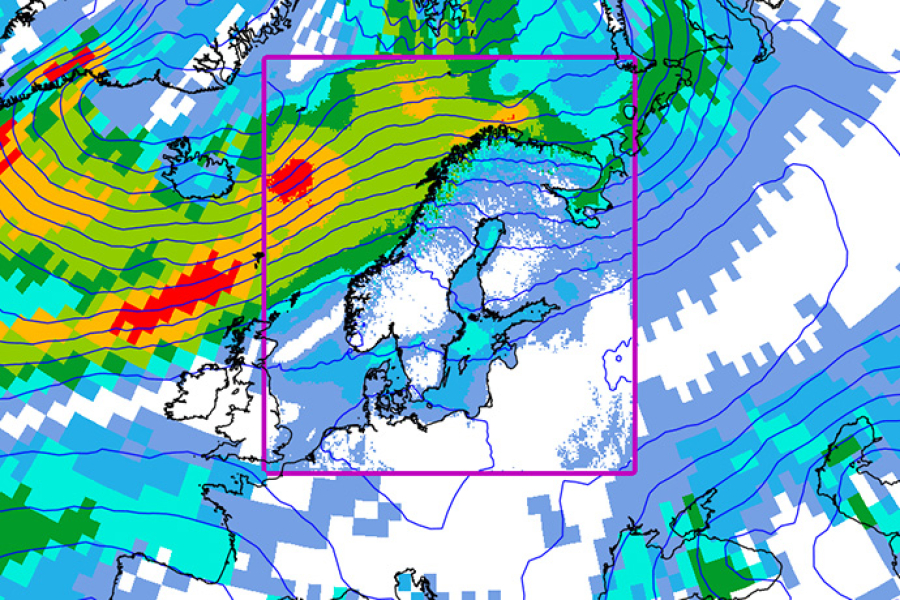
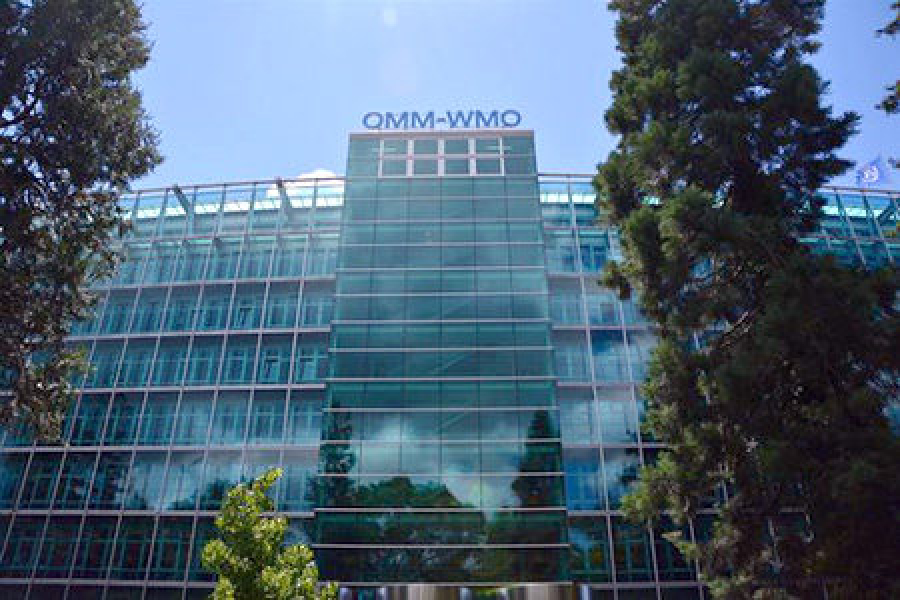
International collaboration is fundamental to the work of ECMWF, working with the EU and the meteorological community at large, including the World Meteorological Organization, space agencies, and scientists around the world.

Workshops and education
Education is a key element of our work at ECMWF, enabling our partners to get the most from ECMWF's services and develop an advanced understanding of forecasting.
| June 29 – July 2 | 22nd International Workshop on Greenhouse Gas Measurements from Space (IWGGMS-22) |
| June 29 – July 3 | 2026 AR Recon workshop and 2nd Observational campaigns workshop for better weather forecasts |
| September 15 – 17 | ESiWACE3 Data compression hackathon |
| September 14 – 18 | Annual Seminar 2026 |
| November 3 – 5 | 2026 Workshop on Machine Learning for Land and Hydrology |
| November 23 – 27 | Workshop on software strategies for sustainable physical modelling |

ECMWF workshops are open to the worldwide meteorological community, though some training is restricted to member states.