Showing 1 - 12 of 16 results

The ECMWF Extended range forecasts: Introduction

Format: Interactive modules (eLearning)

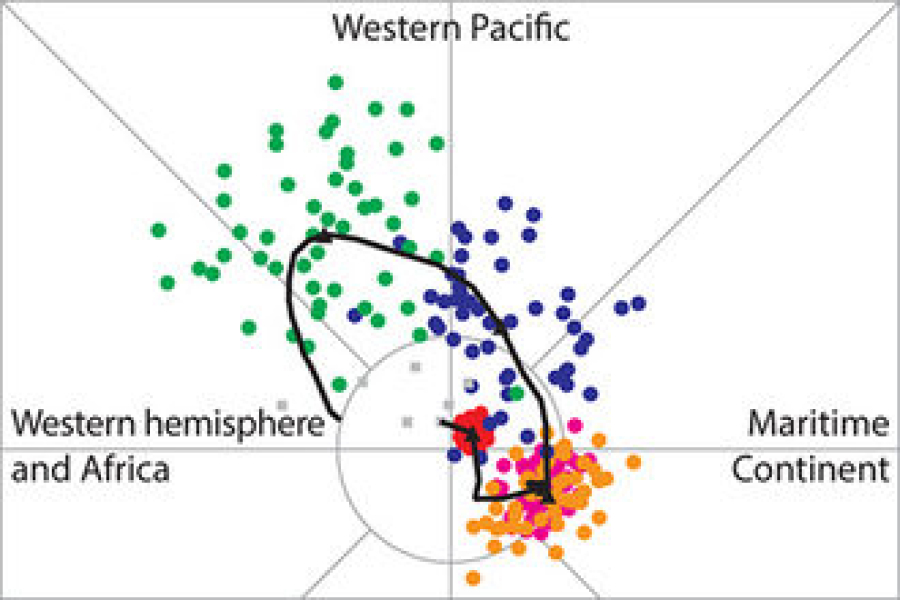
Extended range forecasts provide outlooks up to 46 days. This lesson examines sources of predictability, seasonal forecast skill and the ECMWF extended range forecasting system.

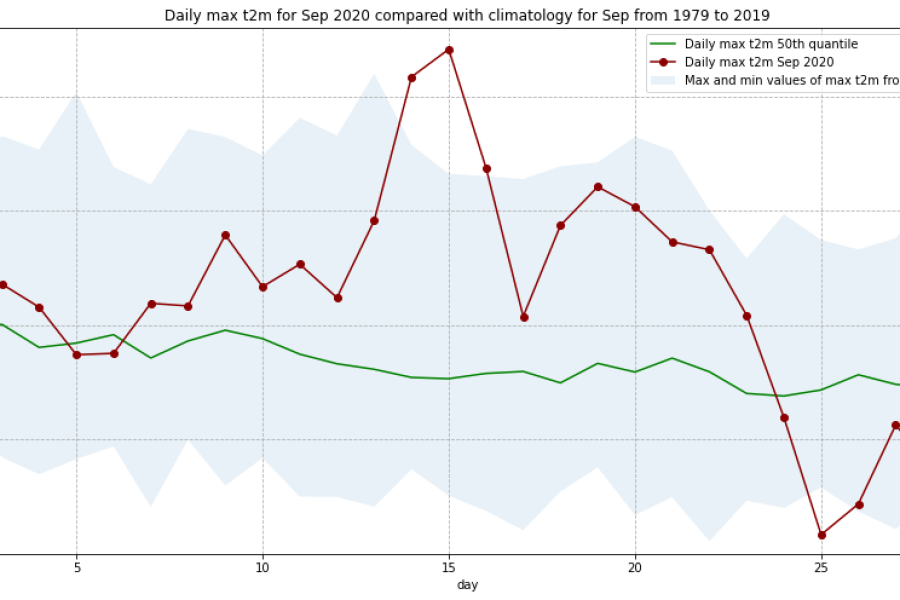
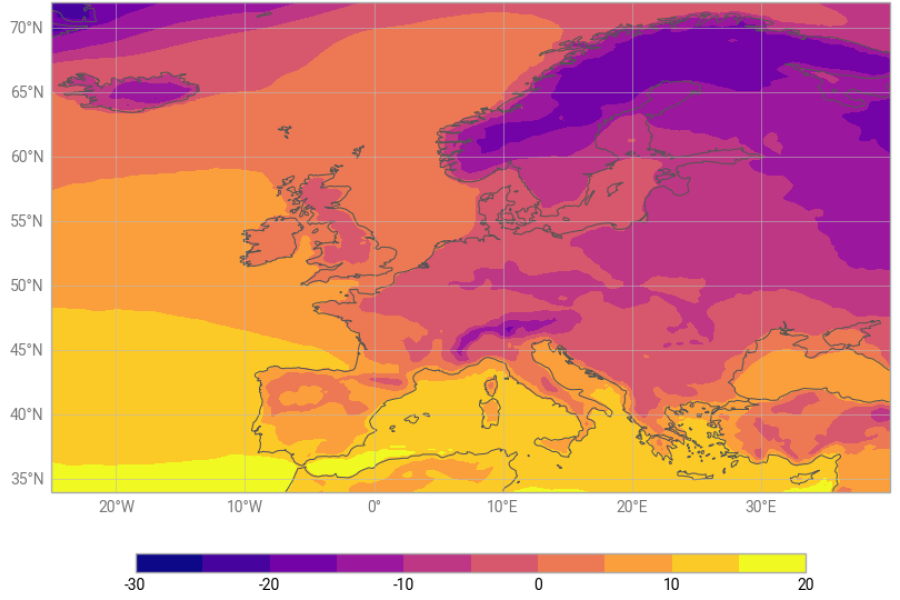
Analysis of September 2020 European heatwave using ERA5 climate reanalysis data from C3S

Analysis of September 2020 European heatwave using ERA5 climate reanalysis data from C3S

Format: Jupyter notebooks

Analyse a heatwave with ERA5 data from the C3S Climate Data Store. Compare temperatures with climatology. Plot figures.

Ensemble Forecasting: Sources of forecast uncertainty (introduction)

Format: Interactive modules (eLearning)

Ensembles are run to account for uncertainties in initial conditions. This lesson explores the sources of error in NWP, how they are quantified, and how ensembles are evaluated.

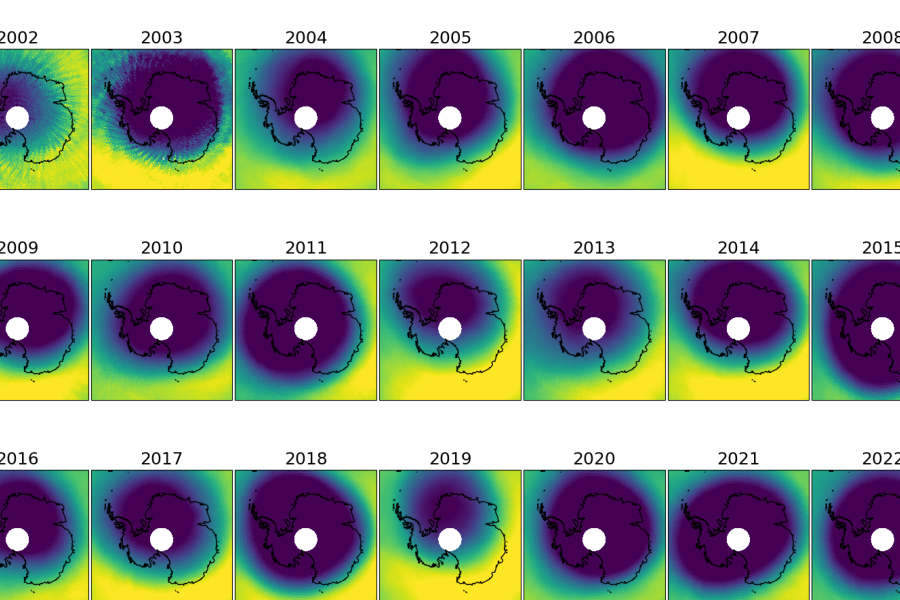
Exploring an ozone product available through the Climate Data Store (CDS)

Exploring an ozone product available through the Climate Data Store (CDS)

Format: Jupyter notebooks

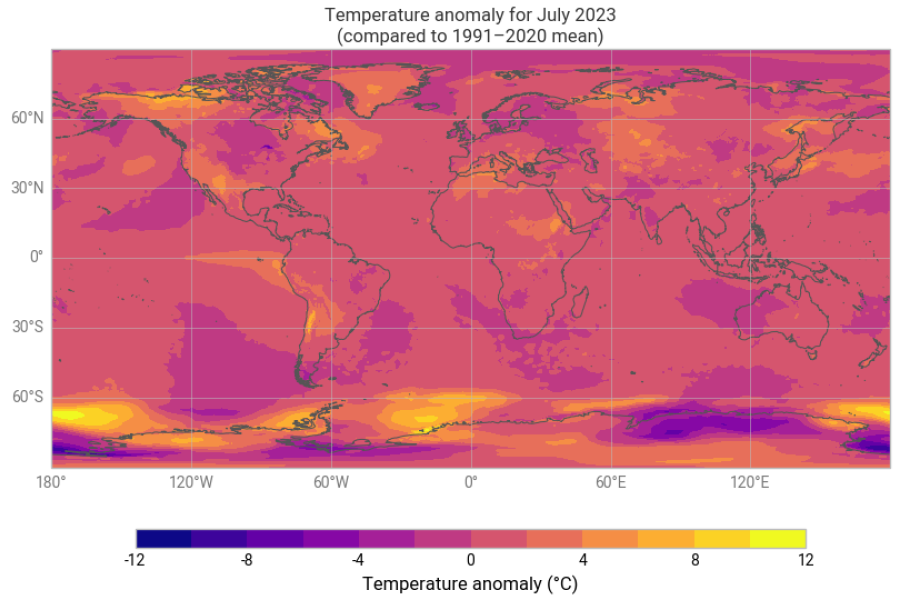
Spatial and temporal ozone distribution of the total ozone columns. Retrieval of the data and analysis.

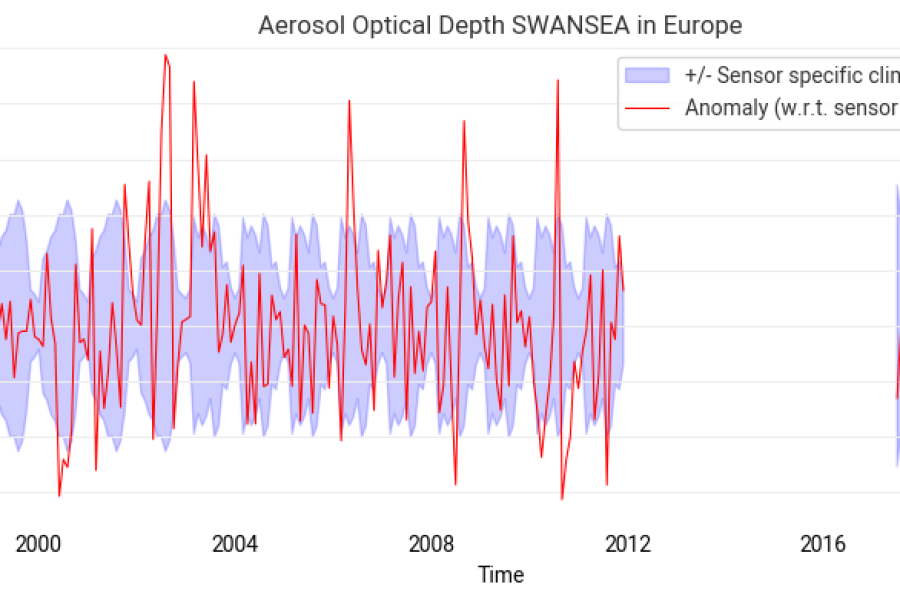
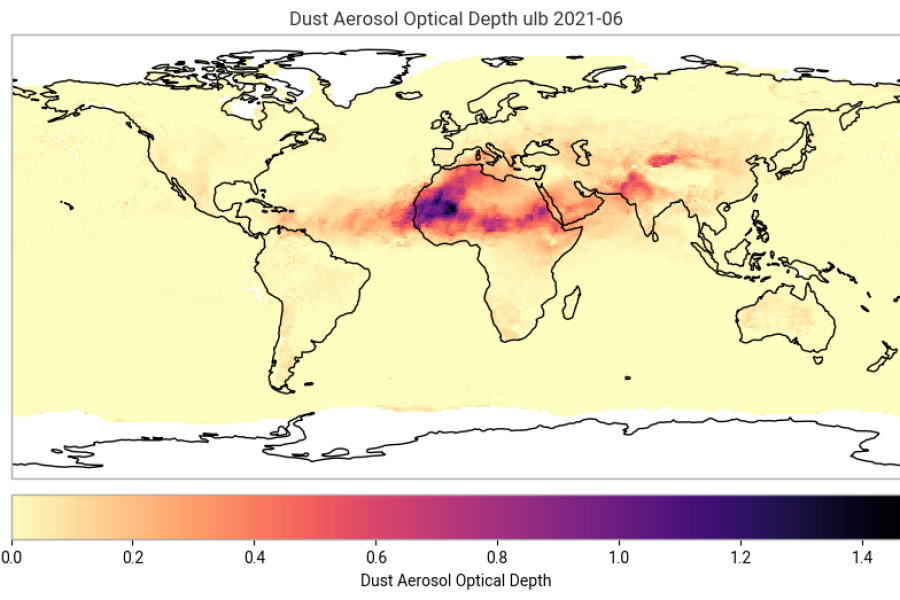
Exploring gridded data on aerosol properties available on C3S

Exploring gridded data on aerosol properties available on C3S

Format: Jupyter notebooks

Introduction to the C3S Aerosol properties gridded data derived from satellite. Use cases for monthly mean single sensor data.

Forecast Jumpiness: An introduction

Format: Interactive modules (eLearning)

There are times when consecutive forecasts can 'jump' significantly. This lesson will discuss the ways in which forecast jumpiness can appear and how it can be mitigated.

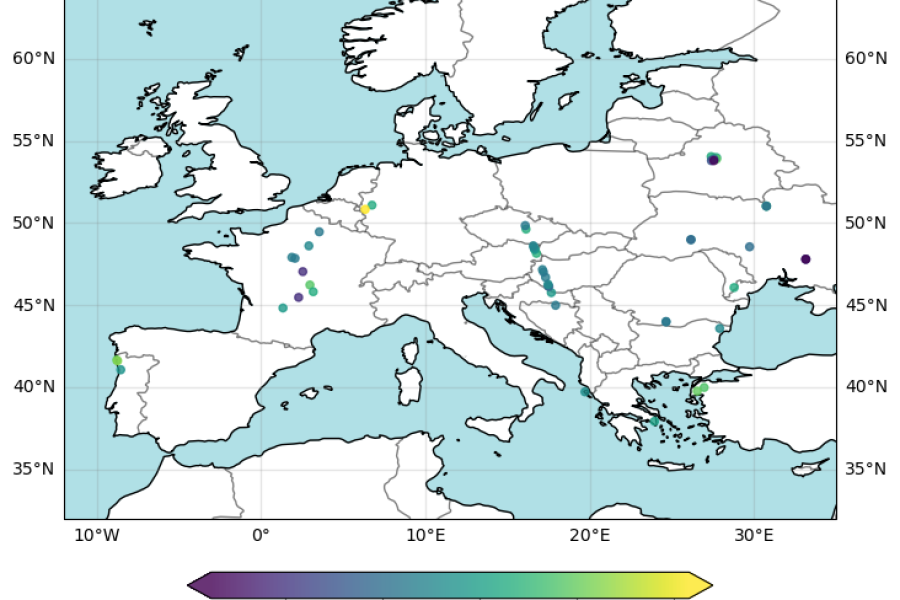
How to access and use a satellite-derived GHG Level 2 data product using XCO2_EMMA as an example

How to access and use a satellite-derived GHG Level 2 data product using XCO2_EMMA as an example

Format: Jupyter notebooks

Access and use of satellite-derived Greenhouse Gas (GHG) atmospheric carbon dioxide (CO2) Level 2 data product.

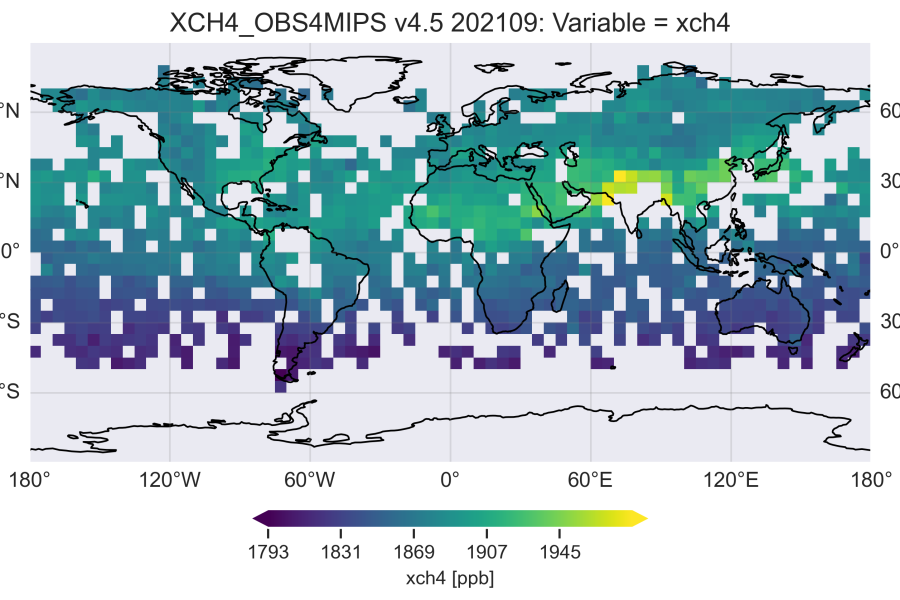
How to access, read and use satellite XCO2 and XCH4 Level 3 data products

How to access, read and use satellite XCO2 and XCH4 Level 3 data products

Format: Jupyter notebooks

How to access, read and use Greenhouse Gas atmospheric carbon dioxide and methane data: temporal and spatial variation

Seasonal forecasting

Format: Interactive modules (eLearning)

Seasonal forecasting is useful in planning for many sectors. This lesson will explore seasonal predictability, how numerical seasonal forecast models work and their outputs.

Test Course Bouke, Martin, Imme

Format: Interactive modules (eLearning)

This course is to find different options within Moodle for Bouke Hefting and to play around to see what's possible and what not

Test course Janine Quist - DestinE

Format: Interactive modules (eLearning)

TEST course created by Janine Quist to get onboarded in the Moodle environment

Test Wageningen University

Format: Interactive modules (eLearning)